Mar 17, 2025
Navigating the Evolving Fire Risks in South African Agriculture
I’ve seen how veld fires threaten South Africa’s agricultural heartland, costing billions annually.

Introduction
As CEO of FISA, I’ve seen how veld fires threaten South Africa’s agricultural heartland, costing billions annually. Growing up on a Western Cape farm, I witnessed a neighbor lose everything to a wildfire. Today, climate change and invasive species heighten these risks. Proactive fire prevention is critical for farmers to protect crops, livestock, and livelihoods. At FISA, our outdoor fire retardants and tailored systems have safeguarded over 500 farms with a 100% prevention rate. By integrating eco-friendly solutions and risk assessments, we help farmers stay resilient. Learn how FISA’s expertise can secure your farm against evolving fire threats.
The Growing Threat of Veld Fires
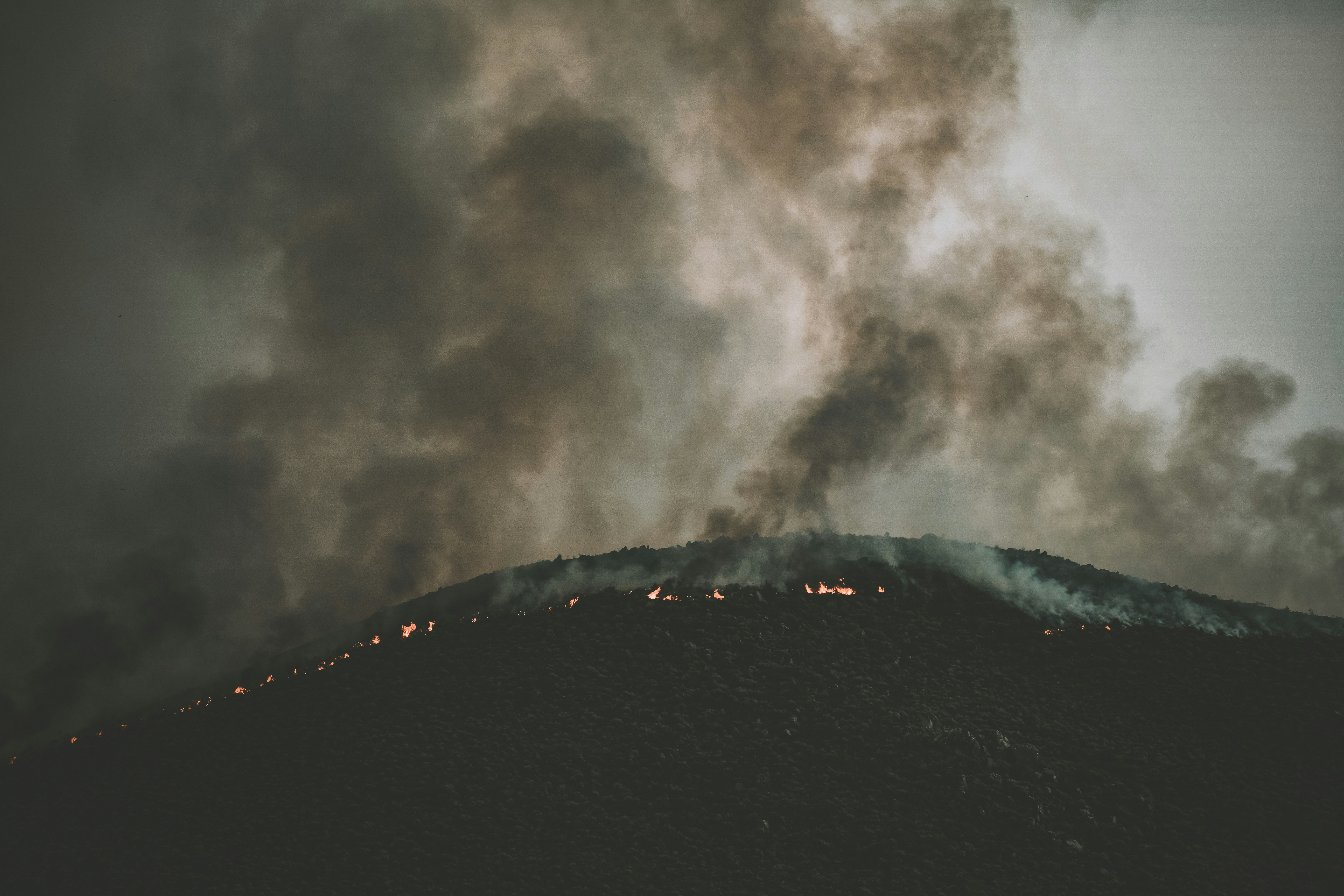
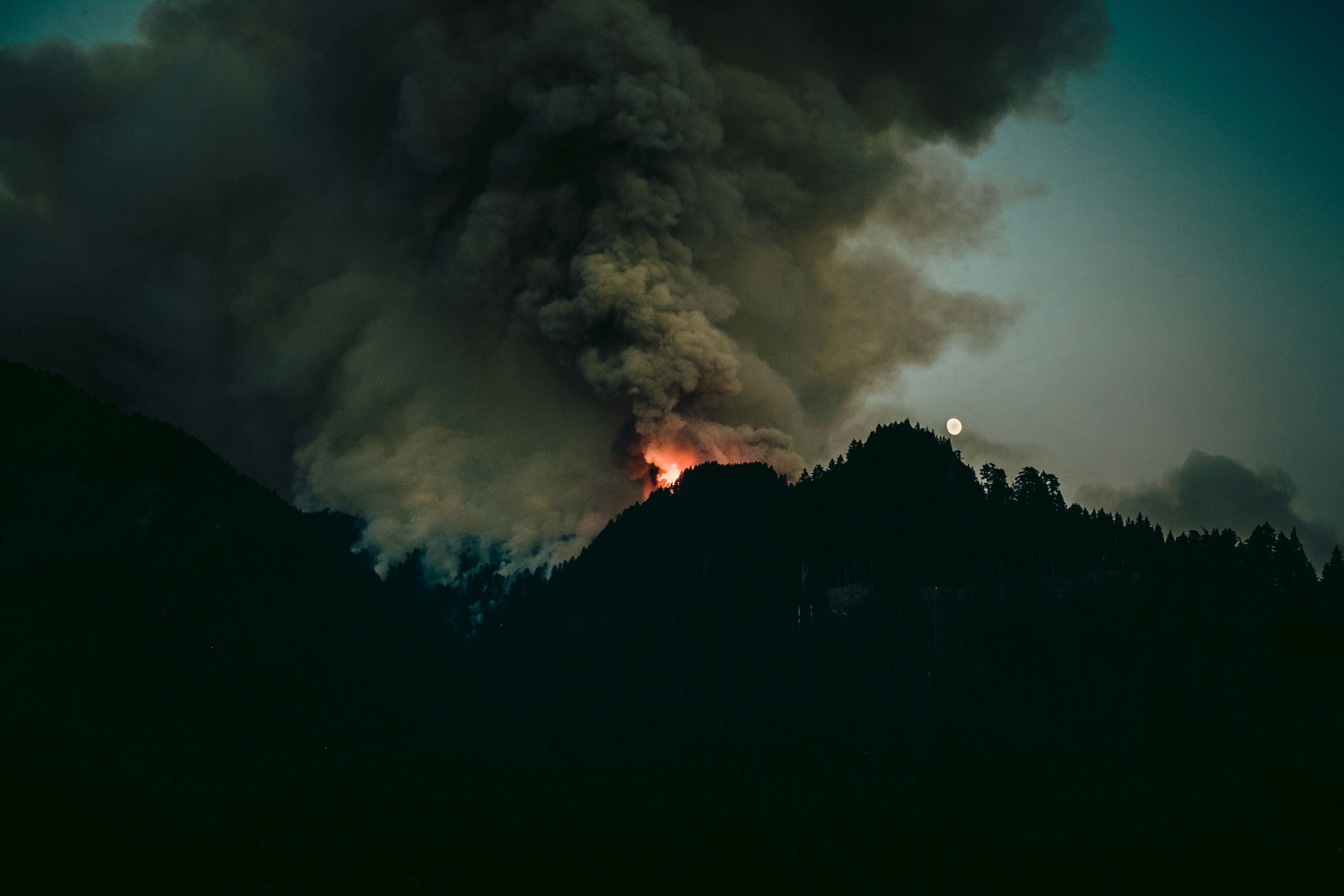
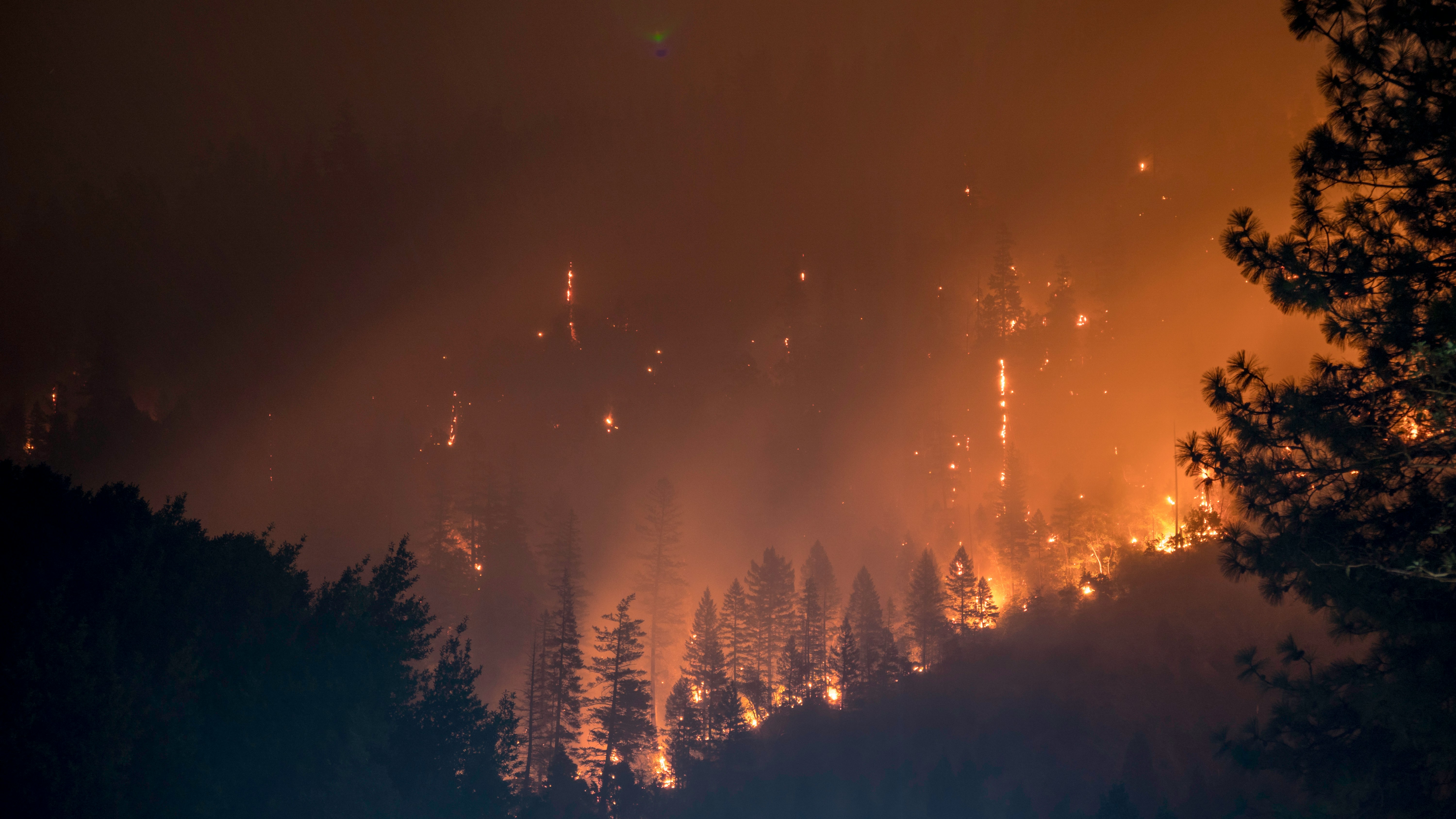
South Africa’s agricultural landscapes face unique challenges. Prolonged droughts, invasive plant species, and hotter temperatures create a perfect storm for wildfires. In 2024 alone, fires in the Free State and Mpumalanga destroyed thousands of hectares of farmland. As a CEO, I’ve seen firsthand how unpreparedness can cripple operations. Farmers often focus on productivity but overlook fire risks until it’s too late. At FISA, we emphasize early intervention—our outdoor fire retardant solutions, for instance, create protective barriers around crops and infrastructure, reducing fire spread by up to 90%. These retardants are designed to be environmentally friendly, ensuring they don’t harm soil quality or water sources, which is crucial for sustainable farming practices.
Tailored Solutions for Farms
Every farm is unique, from sprawling vineyards to small-scale livestock operations. That’s why FISA designs customized fire prevention systems. For example, we worked with a KwaZulu-Natal sugarcane farmer who faced recurrent fire threats. By applying our eco-friendly outdoor retardants and installing automated sprinkler systems, we reduced his risk profile significantly.
The result? Zero fire incidents over three seasons. These solutions don’t just protect assets—they preserve jobs and communities. As leaders, farmers must prioritize long-term resilience over short-term savings. In another case, a Western Cape wine estate integrated our systems with drone-based monitoring, allowing real-time fire detection and response, further enhancing their defenses against unpredictable veld fires.
A Proactive Mindset Saves More Than Money
Fire prevention is as much about mindset as it is about technology. I often advise farm managers to conduct regular risk assessments, train staff on fire protocols, and invest in certified solutions. South African fire safety demands vigilance, especially as climate patterns shift.
FISA’s track record—over 500 projects with a 100% fire prevention rate—shows that proactive measures work. By integrating fire safety into operational planning, farmers can protect their legacy for generations. Moreover, partnering with local communities for controlled burns and awareness campaigns can amplify these efforts, turning individual farms into fire-resilient networks.
Conclusion
The fire risks facing South African agriculture are evolving, but so are the solutions. As CEO, I’ve learned that leadership means anticipating challenges before they strike. FISA’s mission is to empower farmers with tools and knowledge to stay ahead of fires. By embracing proactive fire prevention, we can safeguard not just crops and livestock but the heart of our rural economy. The future of farming depends on resilience—let’s build it together, ensuring that generations to come inherit thriving, fire-safe lands. My vision for South African agriculture is one where innovation and preparedness eliminate the fear of fire entirely.