Feb 12, 2025
Thatch Roof Fire Protection in South Africa: What Every Homeowner Needs to Know
Thatch roofs add charm to homes and lodges—but without proper fire protection, they pose a serious safety risk.
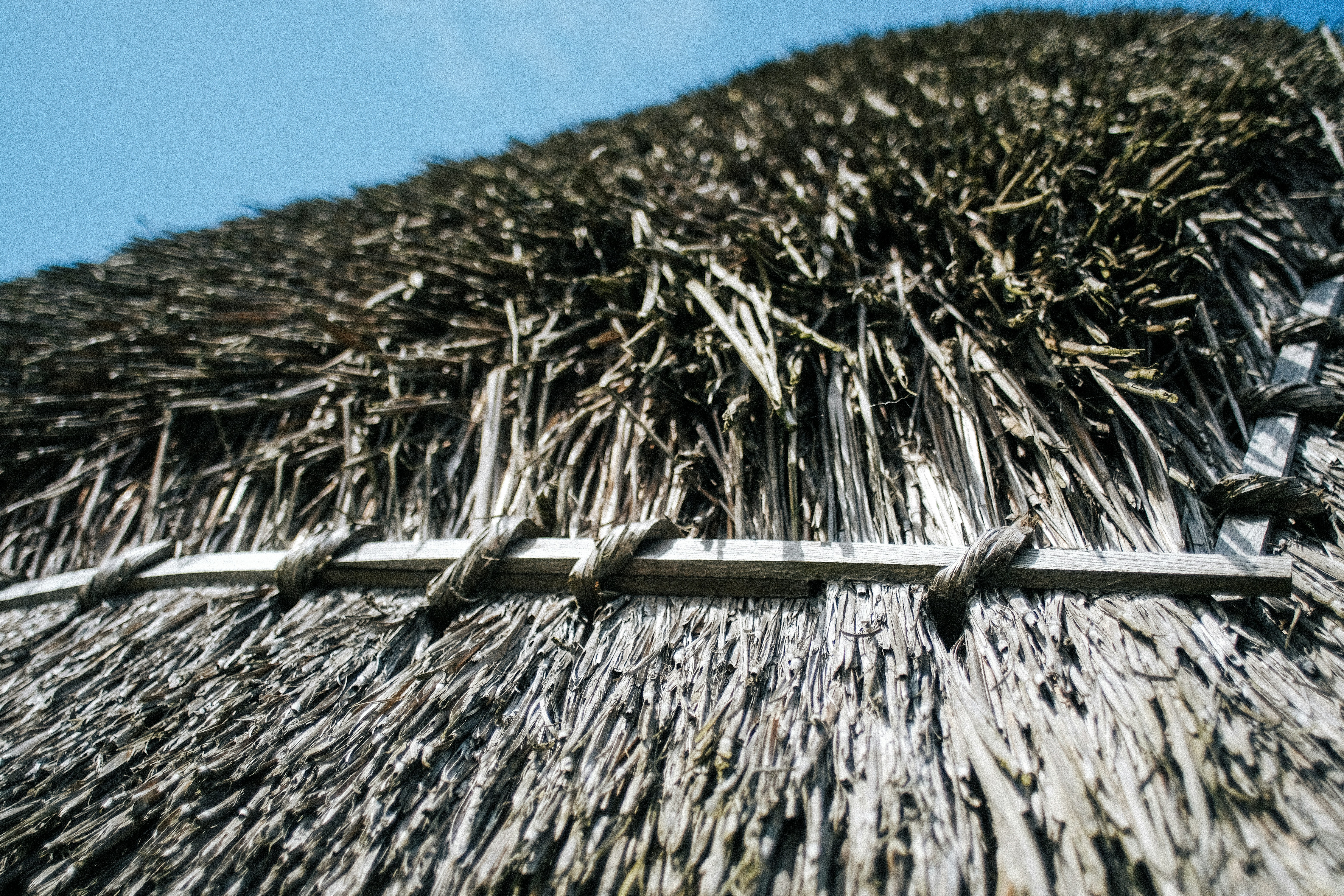
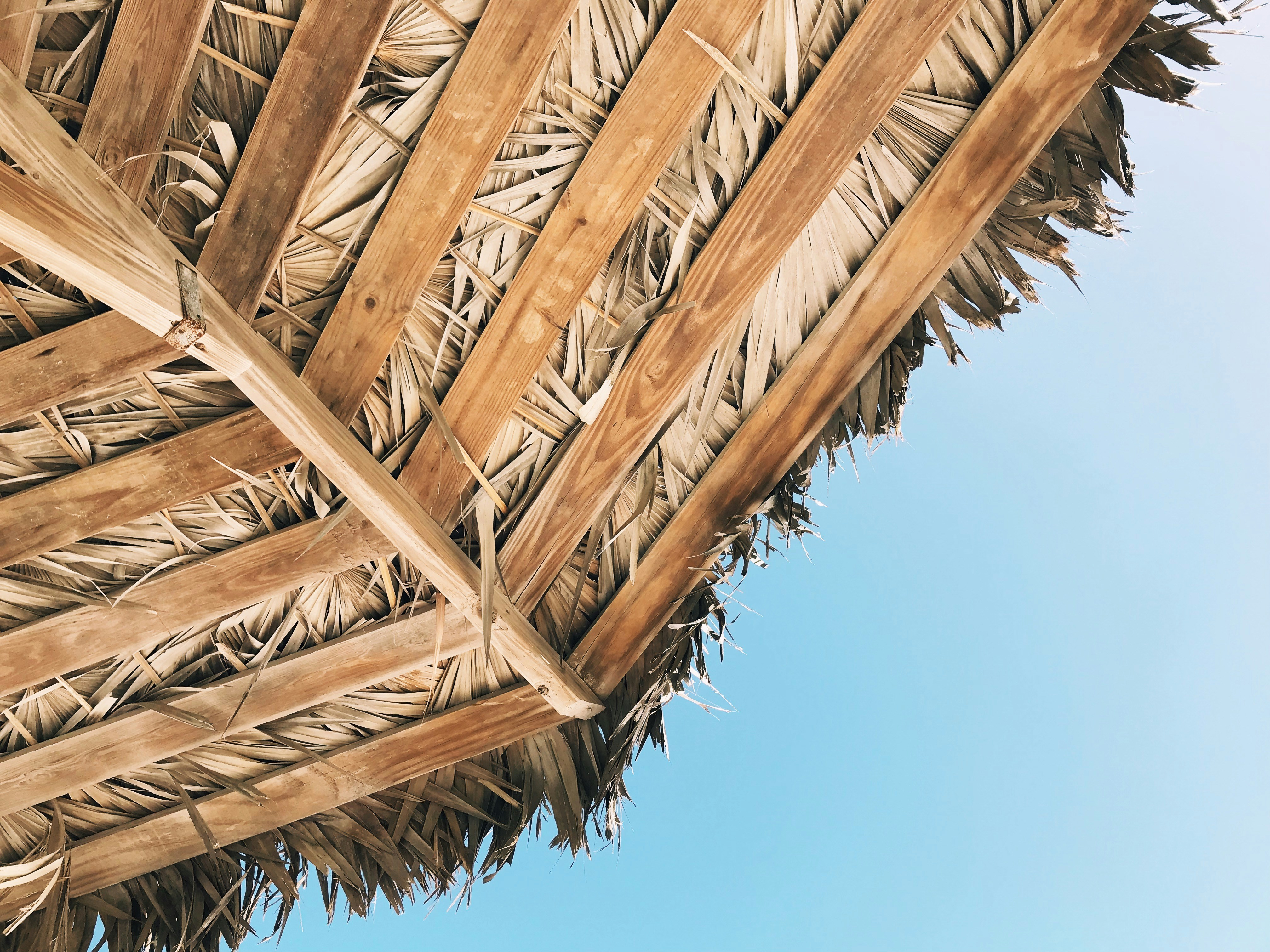
Thatch roofs are a staple of South African architecture, admired for their natural beauty and insulation properties. But they also carry a major risk: flammability. Every year, fires devastate homes and lodges with untreated thatch roofing. If you own or manage a property with a thatch roof, understanding how fire protection works—and why it’s non-negotiable—is essential.
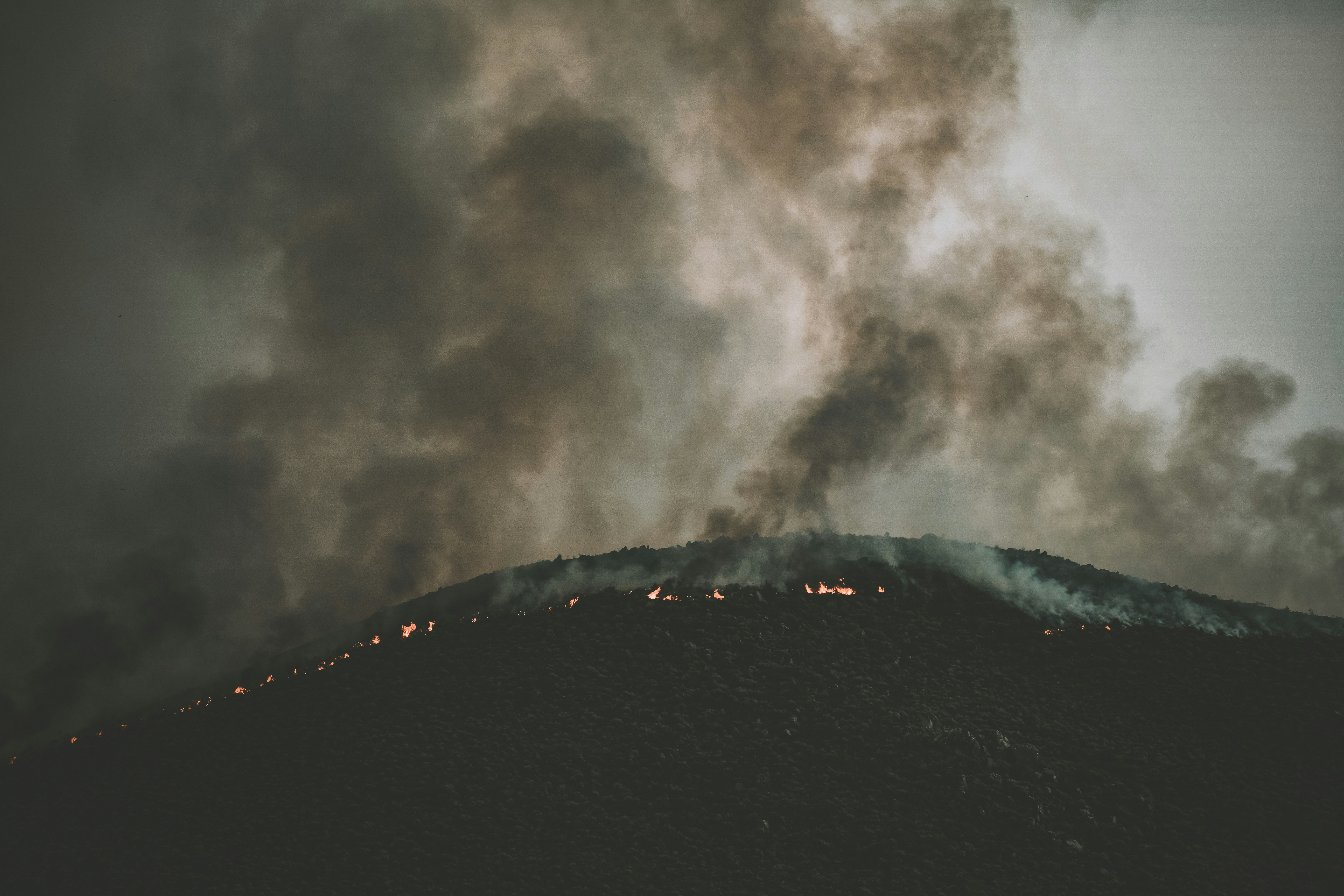
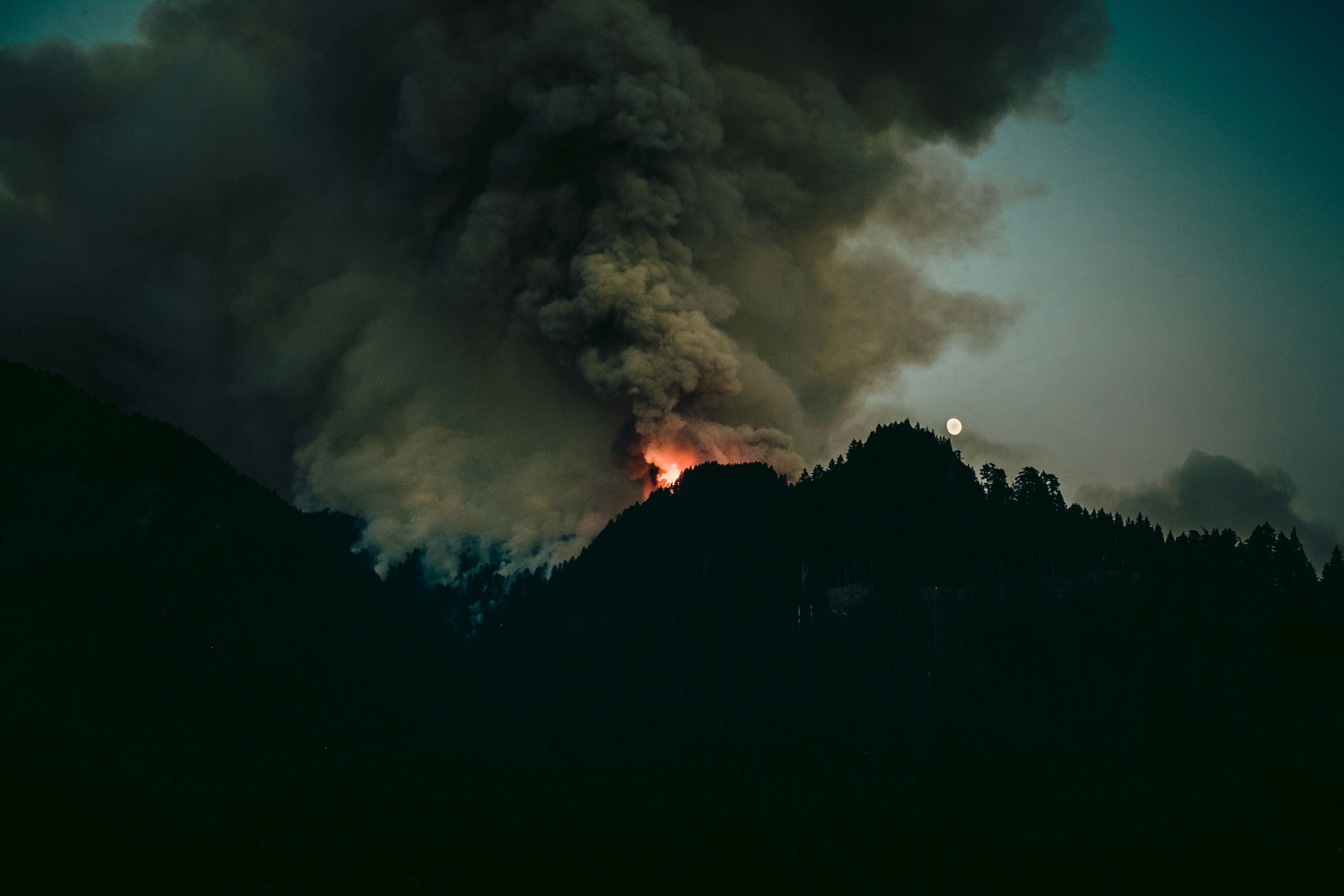
Why Are Thatch Roofs a Fire Risk? Thatch is made from dry plant material, making it highly combustible. A single ember from a nearby braai, lightning strike, or wildfire can ignite an entire roof within minutes. In dry seasons, this risk increases dramatically.
What Is Thatch Roof Fire Retardant? A fire retardant is a chemical solution applied directly to the thatch. It significantly reduces the material’s flammability by creating a protective barrier that resists ignition and slows the spread of flames. At FISA, we use only certified, long-lasting retardants that meet South African fire safety standards.
Why Professional Application Matters DIY solutions or low-cost treatments may wear off quickly or fail under real fire conditions. Our team ensures complete, even coverage, with deep penetration into the thatch layers. We also issue a Certificate of Compliance upon completion—important for insurance and peace of mind.
Conclusion If you have a thatch roof, fire protection is not optional—it’s essential. Protect your property, your family, and your investment with a professional thatch roof fire retardant service from FISA.